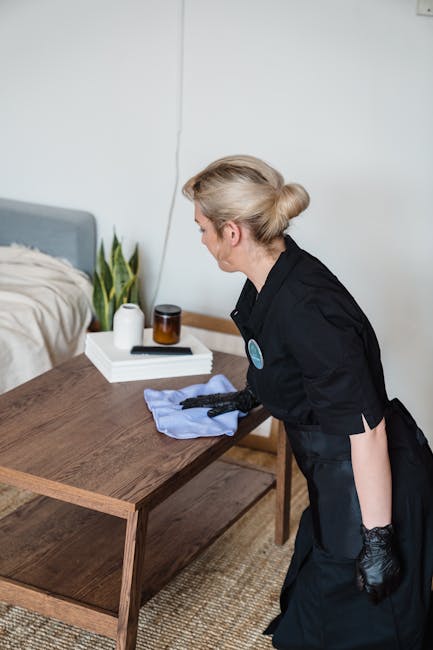
End of tenancy cleaning for Streatham flats real cost guide

If you're moving out of a flat in Streatham, the cleaning bill can feel oddly mysterious. One quote says one thing, your landlord says another, and the place still looks "fine" until daylight hits the skirting boards. This end of tenancy cleaning for Streatham flats real cost guide breaks down what you actually pay for, what affects the price, and how to judge whether a quote is fair. It's written for real people in real flats: studio lets near Streatham Hill, converted period places, newer apartments, and everything in between.
Let's face it, end of tenancy cleaning is rarely just about cleaning. It's about getting your deposit back, avoiding awkward disputes, and leaving the place in a condition that stands up to inspection. The good news? Once you understand how the cost is built, the whole thing becomes much easier to manage.
- Jump to: use the guide below to move straight to pricing, process, best practices, and FAQs.
Why End of tenancy cleaning for Streatham flats real cost guide Matters
End of tenancy cleaning matters because flat moves are rarely forgiving. A little grease behind the oven, dust on top of wardrobe rails, or limescale in a bathroom can trigger deductions that feel disproportionate at the worst possible moment. In Streatham, where many rentals are compact and lived-in rather than showroom-perfect, it's especially easy to underestimate how much detail an inventory clerk or landlord will notice.
The "real cost" part matters too. A cheap headline price is not always the price you pay. Some cleaners quote low for basic surface work, then add charges for appliances, interior windows, carpets, mattress spots, or heavy limescale. Others bundle more in upfront. If you're comparing options, make sure you're comparing like for like. Otherwise, it's apples and pears, and not in a charming way.
There's another reason this cleaning job is worth taking seriously: timing. End-of-tenancy work usually has to happen around moving day, handing back keys, and final meter readings. That means stress is already high. A clear cost guide helps you plan the move, set a realistic budget, and avoid the classic last-minute panic where you're scrubbing a hob at 10:30pm with a takeaway fork. Not ideal.
If you want a service page to compare with this guide, the most relevant starting point is end of tenancy cleaning, especially if you're trying to work out what should be included before you book.
How End of tenancy cleaning for Streatham flats real cost guide Works
In practical terms, end of tenancy cleaning is a deep, exit-focused clean designed to bring a flat up to the standard expected at handover. It is usually more detailed than a normal domestic clean and closer to a reset of the whole property. Think kitchens, bathrooms, skirting boards, cupboards, internal glass, appliances, and often carpets or upholstery if they're part of the package.
The cost usually depends on a few key variables:
- Property size: studio, one-bed, two-bed, or larger.
- Condition: light use versus heavy build-up, stains, grease, or pet hair.
- Extras: oven cleaning, carpet cleaning, window cleaning, upholstery, mattress treatment.
- Access: stairs, parking, lift access, and how easy it is to carry equipment in and out.
- Urgency: same-day or next-day bookings often cost more.
Some cleaners price by flat type, others by labour time, and some by a checklist of rooms and add-ons. A good quote should make the method clear. If it doesn't, ask. Straight away. The cleaner who answers clearly is often the one who'll be clear on the day as well.
A realistic Streatham move-out clean may also include a short inspection-style run-through before or after the work. That helps identify anything missed, which is useful if the landlord is fussy or the inventory check is detailed. To be fair, many are. Especially when the property has high usage and a long tenancy behind it.
What a proper end of tenancy clean usually covers
- Kitchen degreasing, including hob, extractor, splashbacks, cupboards inside and out
- Bathroom descaling, taps, tiles, toilet, bath, shower screen, and fittings
- Dust removal from ledges, skirting, light switches, sockets, and door frames
- Vacuuming and mopping floors
- Internal windows and glass surfaces where included
- Spot cleaning of marks on walls, doors, and switches where safe to do so
- Appliance cleaning, often including fridge and freezer if defrosted
For many Streatham flats, the biggest time sinks are kitchens and bathrooms. A compact flat can still be surprisingly labour-heavy if there's baked-on oven residue, a humid bathroom, or a fridge that has been turned off for days and smells a bit like regret.
Key Benefits and Practical Advantages
The obvious benefit is a better chance of getting your deposit back. But there are other advantages that are easy to overlook when you're focused on moving boxes and change-of-address forms.
- Less stress on moving day: a professional or well-planned clean takes pressure off your final 24 hours.
- Cleaner handover: the flat is more likely to meet the standard expected by the check-out inspection.
- Fewer disputes: a documented, thorough clean reduces the chance of arguments over cleanliness.
- Better budgeting: knowing the likely cost helps you decide whether to book a service or clean yourself.
- More time for the move itself: because moving is already a faff, frankly.
There's also a practical psychological benefit. Once the flat is properly cleaned, it feels finished. You stop mentally carrying it around. That matters more than people admit.
Expert summary: the best-value end of tenancy clean is rarely the cheapest quote; it's the one that clearly explains what's included, fits the flat's condition, and reduces the risk of deductions or re-cleans.
If you're comparing broader cleaning options before moving out, it can help to understand how this differs from deep cleaning and move out cleaning, because those services can overlap in some cases but are not always identical in scope.
Who This Is For and When It Makes Sense
This guide is for renters, landlords, letting agents, and even flatmates sharing the bill. It's especially useful if you live in a Streatham flat where the layout is compact, the windows are awkward, or the kitchen has seen a lot of use over the tenancy.
End of tenancy cleaning makes sense when:
- you're handing back a tenancy and want to minimise deposit deductions
- the flat has accumulated normal wear plus extra grime over time
- the inventory check is likely to be strict
- you don't have the tools, time, or patience to tackle the whole property properly
- you need carpets, ovens, or upholstery cleaned as part of the exit standard
It may be less necessary if you've kept the flat very clean, the tenancy is short, and your agreement is unusually light on cleaning requirements. Even then, though, a final professional clean can still be worthwhile if you're short on time. If the move is happening on a Friday evening and keys are due back by midday Saturday, you already know how that story ends.
For landlords or agents, end of tenancy cleaning is often about presenting the flat consistently between tenancies. That makes the handover smoother and can reduce void time. If you manage several properties, pairing this with domestic cleaning or regular cleaning for occupied periods can keep standards steadier between tenancies.
Step-by-Step Guidance
If you want to estimate the real cost properly, follow a simple process. It's not glamorous, but it works.
- Walk the flat room by room. Make a note of the kitchen, bathrooms, flooring, appliance condition, and any marks or stains.
- Check your tenancy agreement. Look for clauses about professional cleaning, carpets, ovens, or specific handback standards.
- Separate must-do tasks from nice-to-do tasks. You may not need everything. Or you may need more than you thought.
- Ask for a detailed quote. Make sure it covers the whole flat and lists extras clearly.
- Compare the scope, not just the price. A quote that includes oven, fridge, and carpets may be better value than a cheaper base price.
- Prepare the property. Remove belongings, empty cupboards if required, defrost the freezer, and make access easy.
- Do a final check after cleaning. Look at taps, corners, under sinks, edges, and anywhere you know dust likes to hide.
The real cost guide part is mainly about matching the service to the state of the flat. A lightly used one-bed may need far less effort than a family-occupied two-bed with pets, soft furnishings, and a bathroom that has been battling limescale for months. Same postcode, very different job.
Typical cost drivers in Streatham flats
| Cost factor | Why it changes the price | What to check |
|---|---|---|
| Flat size | More rooms and surfaces take longer | Bedrooms, bathrooms, and reception space |
| Condition | Heavy dirt needs more labour and products | Oven grease, bathroom scale, carpet stains |
| Add-ons | Specialist tasks are often priced separately | Carpets, windows, upholstery, mattress |
| Access | Stairs, parking, and entry delays add time | Lift access, permit parking, loading space |
| Urgency | Short notice can mean premium pricing | Same-day or weekend availability |
Expert Tips for Better Results
Here's the part where a little know-how saves real money. In our experience, the difference between a smooth end-of-tenancy clean and a messy one usually comes down to preparation and clarity, not magic.
1. Always ask what "full clean" actually means. Some providers mean whole-property cleaning, while others mean a lighter once-over. If an oven, fridge, or carpet isn't mentioned, assume it's not included.
2. Defrost the freezer in advance. This is a small thing, but it can derail a booking if ignored. A cleaner can't properly clean a freezer that's still a block of ice. Annoying, but there it is.
3. Photograph the flat before and after. If there's ever a dispute, photos help. They're also useful for your own peace of mind when you've forgotten what the place looked like in normal daylight.
4. Tackle clutter before the cleaner arrives. Cleaning around boxes, loose items, and leftover bits is slower and sometimes more expensive. Empty spaces clean faster. Always.
5. Don't hide problems. If there's a stain, burn mark, or worn patch, mention it early. Good cleaners can often advise whether it's treatable or just part of normal wear.
One practical tip many people miss: the bathroom extractor fan and kitchen hood can collect more grime than you expect. They're not flashy spots, but inspectors do notice them. Funny how that works.
If your flat has carpets or fabric furniture that picked up everyday use, services like carpet cleaning, steam carpet cleaning, or upholstery cleaning can be worth pricing separately rather than assuming they're included.
Common Mistakes to Avoid
The biggest mistake is assuming the cheapest quote will be enough. Sometimes it will be. Often it won't. And the gap shows up at check-out, not on the invoice.
- Not reading the inventory standard: your tenancy may require more than "visibly clean."
- Forgetting add-ons: ovens, carpets, blinds, and internal windows are common omissions.
- Leaving cleaning too late: if you book after the move-out chaos starts, options narrow fast.
- Skipping the bathroom detail: taps, grout, and limescale matter more than people expect.
- Assuming all stains are cleanable: some marks need specialist treatment, or they may be permanent.
- Not checking the final quote wording: "from" prices can be useful, but they are not final prices.
Another common one: people clean the obvious surfaces and forget the hidden places. Under radiators. Behind the toilet. Top edges of doors. Above kitchen cupboards. Little zones, big impact. If you've ever done a full inventory check, you know exactly the kind of thing that gets marked down.
And yes, the skirting boards. They always seem to have been personally offended by the tenancy.
Tools, Resources and Recommendations
If you're doing part of the work yourself before or after a professional clean, a sensible toolkit helps more than expensive products. The goal is efficient, steady progress rather than a cabinet full of sprays you'll never use again.
Useful tools for a flat exit clean
- microfibre cloths for dust and polishing
- non-scratch sponges for kitchen and bathroom surfaces
- degreaser for cooker fronts and splash zones
- limescale remover for taps, screens, and tiles
- vacuum with attachments for edges, corners, and upholstery
- mop and bucket or a suitable floor-cleaning system
- glass cloth for mirrors and internal windows
- rubber gloves, because some jobs are just better with them
For more intensive tasks, it can be worth combining services rather than overbuying products. For example, if the flat has a marked sofa, a tired mattress, or worn rugs, a specialist service may give a better result than trying to do everything yourself. See options like sofa cleaning, mattress cleaning, and rug cleaning when those items are part of the handover risk.
If you're checking a provider's trust signals, useful pages to review include about us, insurance and safety, health and safety policy, and pricing and quotes. Those pages won't clean the oven for you, obviously, but they do tell you a lot about how the business operates.
Law, Compliance, Standards, or Best Practice
In the UK, tenancy cleaning is usually guided more by the tenancy agreement, inventory report, and general expectations of reasonable cleanliness than by one single cleaning law. That means the wording of your agreement matters. If it says the property must be returned professionally cleaned, then the cleaning standard is likely to be higher than a casual tidy-up.
It's also wise to separate fair wear and tear from avoidable dirt or damage. Normal ageing is not the same as leaving grease on cabinets or stains on carpets. That distinction matters in deposit discussions. But the line can be fuzzy, so document what you can and keep receipts or service confirmations if you book professional work.
Best practice is simple:
- follow the tenancy agreement carefully
- clean to the standard of the incoming inventory, where possible
- notify the cleaner about known problem areas
- keep proof of cleaning and any specialist treatments
- allow enough time for re-checks if needed
If waste removal or post-move clutter is also an issue, a separate house clearance may be worth considering before cleaning begins. Clearing the space first often makes the final clean cheaper and more effective. That's one of those boring truths that saves money.
Options, Methods, or Comparison Table
When people search for the real cost of end of tenancy cleaning for Streatham flats, they're usually deciding between doing it themselves, booking a standard cleaner, or choosing a full move-out package. Each option can work. The right choice depends on time, budget, and how exacting the handover is likely to be.
| Option | Best for | Pros | Cons |
|---|---|---|---|
| DIY clean | Very tidy flats and low budgets | Lowest cash cost, full control | High time cost, easy to miss detail |
| Standard domestic clean | Lightly used flats | Faster than DIY, less effort | May not meet exit standard |
| End of tenancy clean | Most rented flats | More thorough, better for handover | Higher upfront cost |
| End of tenancy plus extras | Flats with carpets, ovens, or upholstery issues | Most complete solution | Can cost more, though often still cheaper than deductions |
If you're in a smaller flat, a simple professional clean can be enough. If the property includes carpets, a tired oven, or a few pet-related issues, a more complete package is usually the safer bet. A fair few people try to save a bit at booking and then end up paying the difference via deductions. That's the bit nobody enjoys.
For landlords or tenants who need a quicker turnaround between occupancies, services such as one-off cleaning and move-in cleaning can also be relevant, depending on which side of the handover you're on.
Case Study or Real-World Example
Here's a realistic Streatham-style scenario. A tenant in a two-bedroom flat near Streatham Hill is moving out after three years. The place is tidy, but the kitchen has heavy grease around the hob, the bathroom has limescale on taps and shower screen, and the carpet in the lounge has a few visible traffic marks. Nothing shocking. Just lived-in.
The first quote looks attractive because it's low. But then the extras appear: oven clean, carpet clean, and internal windows not included. The "cheap" option no longer looks cheap. Another provider gives a higher initial quote, but it includes the oven, bathroom descaling, and carpet treatment in one package. On paper, it costs more. In reality, it may cost less once the full job is counted.
The tenant also clears cupboards, removes all belongings the night before, and defrosts the freezer 24 hours in advance. That saves time on the day and avoids delay fees. The clean is completed in a single visit, and the check-out report flags only minor wear that was already present.
Truth be told, this is the kind of outcome most people want: no drama, no endless email thread, no "just one more issue" from the landlord. Just a clean handover and a quiet exhale when the keys are back where they should be.
Practical Checklist
Use this checklist before you book or before the cleaners arrive. It keeps the process grounded and helps you compare quotes properly.
- Confirm your move-out date and key return time
- Read the tenancy agreement for cleaning requirements
- Check the inventory or check-in report if you have it
- List all rooms and any trouble spots
- Note carpets, upholstery, mattresses, and any specialist items
- Ask whether oven, fridge, freezer, and windows are included
- Check whether parking or access affects the price
- Remove personal belongings and bins
- Defrost the freezer in advance if needed
- Take photos before cleaning starts
- Keep the quote, invoice, and completion confirmation
- Do a final walk-through in daylight if possible
If you want to keep the handover smooth and the cleaning standard high, consider how the service fits into the wider move. For some households, pairing this with Airbnb cleaning or office cleaning may not be relevant; for others, the common theme is simply needing a reliable, detail-heavy clean at a fixed point in time.
Conclusion
The real cost of end of tenancy cleaning for Streatham flats depends on much more than the postcode. Flat size, condition, access, add-ons, and timing all shape the final bill. Once you understand those moving parts, the choice becomes much clearer: you can decide whether to clean yourself, book a standard service, or go for a full exit clean that gives you a better shot at a smooth handover.
The main thing is not to guess. Walk the flat, compare the scope, ask direct questions, and make sure the quote matches the job in front of you. That simple bit of discipline often saves the most money and the most stress.
Get a free quote today and see how much you can save.
And if you're still weighing it up, that's normal. A good move-out clean isn't just about sparkle; it's about finishing well, without the mess following you into the next place. A small relief, but a real one.
Frequently Asked Questions
How much does end of tenancy cleaning for a Streatham flat usually cost?
It depends on the size and condition of the flat, plus any extras such as oven or carpet cleaning. A studio in good condition will usually cost less than a two-bed flat with heavy use and multiple add-ons. The safest approach is to ask for a detailed quote based on rooms and tasks, not just a headline price.
What is normally included in end of tenancy cleaning?
Most services cover kitchens, bathrooms, floors, dusting, skirting boards, internal glass, and surface cleaning throughout the flat. Many also offer appliance cleaning, but you should always check whether the oven, fridge, freezer, and windows are included. They are common exclusions if not listed clearly.
Is professional end of tenancy cleaning required by law in the UK?
Not usually by law, but your tenancy agreement may require a professional standard or specifically request professional cleaning. The practical standard is often set by the inventory and the handover expectations rather than by a single rule. That's why reading the contract matters.
Can I do end of tenancy cleaning myself and still get my deposit back?
Yes, if the flat is returned to the required standard. Many tenants do clean the property themselves and avoid booking a service. The challenge is time, equipment, and detail. If the flat has a strong build-up of grime or specialist items like carpets and ovens, professional help may reduce the risk of deductions.
Do cleaners in Streatham charge more for flats than houses?
Not necessarily. Flats often take less time because they are smaller, but access can make them trickier. Stairs, parking limits, and lift availability can all affect the final quote. A compact flat on a top floor can sometimes take longer than a house with easy entry.
Are carpets included in end of tenancy cleaning?
Sometimes, but not always. Carpet cleaning is often treated as an extra service. If your tenancy agreement or inventory mentions carpets specifically, it is wise to ask for a separate carpet cleaning price rather than assuming it's bundled in.
How far in advance should I book an end of tenancy clean?
Booking a little ahead is sensible, especially around month-end or weekend move dates when slots fill quickly. If you leave it too late, you may have fewer time choices and higher urgent-booking costs. A bit of planning makes the whole handover calmer.
What should I do before the cleaners arrive?
Remove personal belongings, empty cupboards if required, defrost the freezer, and make sure the flat is accessible. It also helps to note any problem areas such as stains, broken fittings, or delicate surfaces. The more prepared the flat is, the more efficient the clean tends to be.
Will an end of tenancy clean remove all stains and marks?
No cleaner can promise that all stains will disappear. Some marks are permanent, especially if they have been there for a long time or involve damage rather than dirt. A good cleaner can usually improve the appearance a lot, but honest expectations are important. That saves everyone hassle.
What is the difference between move-out cleaning and end of tenancy cleaning?
They overlap heavily, and many people use the terms interchangeably. In practice, end of tenancy cleaning usually means a more detailed, inventory-led clean designed for rental handover. Move-out cleaning can be broader and may be used for homes that are being sold, vacated, or prepared for reoccupation.
How can I avoid being charged twice for cleaning issues?
Check the quote carefully, confirm what is included, and keep evidence of the work done. If there are specialist items, ask whether they are part of the package or separate. Clear communication before the appointment is much easier than arguing about it afterwards.
What if my Streatham flat has pets or strong odours?
Tell the cleaner in advance. Pet hair, dander, and lingering odours may require extra time or specialist treatment such as upholstery, carpet, or stain removal. It's better to be open about it than to get a quote that doesn't match the actual job. That kind of honesty tends to save money in the end.