Health and Safety Policy for Cleaners Treatham
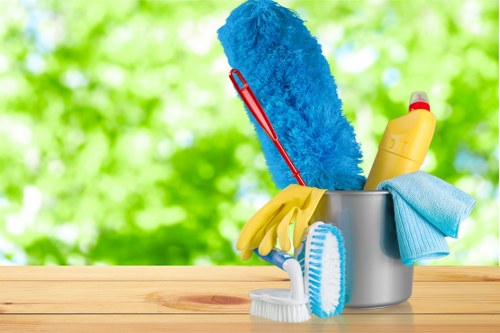 Our health and safety policy is designed to protect every cleaner, supervisor, and client property during day-to-day cleaning work. For cleaners in Treatham, safety is not treated as an extra task; it is part of every routine, from preparing equipment to leaving a site tidy and secure. We aim to reduce risks, prevent accidents, and maintain a professional standard of care in every setting. This policy applies to all cleaning activities, including domestic work, office cleaning, communal areas, and specialist tasks.
We believe that safe working practices support both quality and efficiency. A well-organised cleaning policy helps staff complete tasks correctly while avoiding injury, illness, or property damage. Every cleaner must take responsibility for their own actions and follow the procedures set out here. Managers and team leaders must provide clear instructions, suitable training, and proper oversight so that safety standards remain consistent across all work environments.
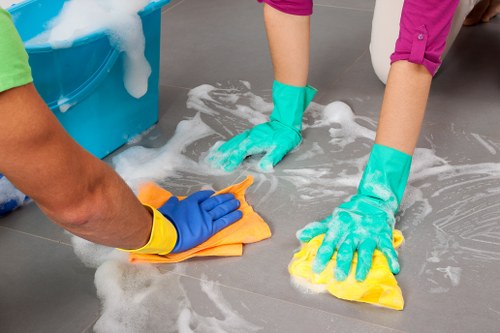 Before any task begins, a basic risk assessment must be considered. This means identifying hazards such as slippery floors, broken items, unstable furniture, exposed wires, or chemicals stored incorrectly. Cleaning staff should never assume a space is safe simply because it appears tidy. If a hazard cannot be controlled quickly and safely, the work should pause until the issue is reported and addressed.
Responsibilities and Safe Working Standards
All employees must use equipment properly and follow any instructions given for specific tools or materials. Machines, mops, cloths, vacuums, and other supplies should be checked before use to ensure they are in good condition. Damaged equipment must be removed from service immediately. A key part of our health and safety approach is making sure that cleaning is done with the correct method for the surface, task, and environment.
Training is essential. Cleaners must be shown how to handle chemicals, use personal protective equipment, move safely around occupied spaces, and lift or carry items without strain. Any new cleaner joining the team must be supervised until they understand the required standards. Refresher training may be given when procedures change, when new products are introduced, or when a workplace issue suggests additional instruction is needed.
Accidents, near misses, and unsafe conditions must always be reported. Reporting helps prevent repeat incidents and supports a culture of accountability. Cleaning safety is strongest when concerns are shared early. Even small incidents, such as minor spills or a broken handle, can become serious if ignored. Clear communication ensures action can be taken before harm occurs.
Control of Hazards in Cleaning Work
Cleaning products must be stored, mixed, and used according to manufacturer instructions. Never combine chemicals unless the product guidance clearly allows it. Containers should be labelled correctly and kept closed when not in use. Staff must wear suitable gloves or other protective items where needed, especially when handling irritants, disinfectants, or strong solutions. Good ventilation should be maintained whenever possible to reduce exposure to fumes.
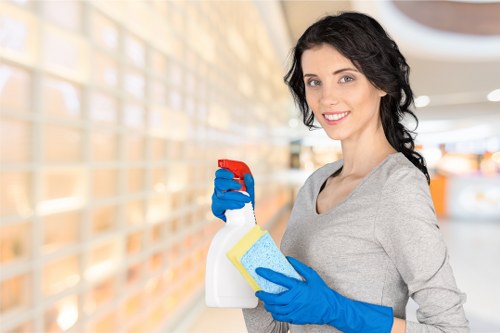 Slips, trips, and falls are among the most common risks in cleaning work. To reduce these hazards, warning signs should be used when floors are wet, corridors should be kept clear, and equipment should not be left in walkways. Staff should move carefully when carrying water or tools, especially in busy areas. The same applies to cable management and storage practices, which should always support safe movement.
Manual handling must be carried out thoughtfully. Heavy bins, furniture, or cleaning supplies should only be moved when it is safe to do so. If a load is awkward, too heavy, or difficult to control, assistance or alternative equipment should be used. Cleaners should maintain good posture, bend the knees when lifting, and avoid twisting the body under strain. These practices help reduce back, shoulder, and joint injuries.
Protecting Health, Welfare, and Work Quality
Personal protective equipment, or PPE, must be used whenever risks require it. This may include gloves, aprons, eye protection, or non-slip footwear. PPE should fit correctly and be kept clean and in usable condition. It is not a substitute for safe methods, but it provides an added layer of protection when hazards cannot be removed completely.
We also recognise the importance of wellbeing. Cleaning work can be physically demanding, repetitive, and sometimes fast-paced. Breaks should be taken when appropriate, and workloads should be planned so that staff are not pushed beyond safe limits. Team leaders should remain alert to signs of fatigue, stress, or discomfort and take action where necessary. A healthy workforce is more consistent, more confident, and better able to work safely.
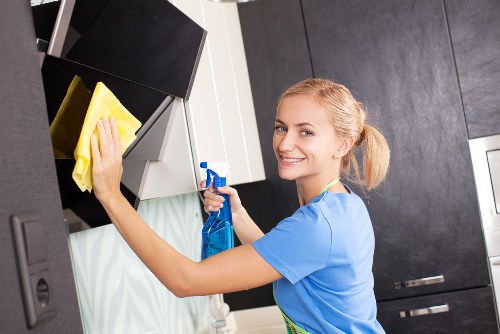 In shared or occupied premises, cleaners must respect the safety of residents, staff, visitors, and the public. Doors should not be blocked, emergency routes must stay clear, and cleaning should be organised to minimise disruption. Where children, vulnerable adults, or pets may be present, additional care must be taken to avoid exposure to chemicals, wet surfaces, or equipment left unattended.
Review, Monitoring, and Continuous Improvement
Health and safety policy is not static. It should be reviewed regularly to reflect changing working conditions, new products, updated equipment, and lessons learned from incidents or observations. Supervisors should monitor compliance and encourage safe behaviour at all times. If a cleaner is unsure how to proceed, they must stop and seek guidance rather than take a risk.
The effectiveness of this policy depends on consistency. Every member of the team must understand that clean work and safe work go together. By following the right procedures, using suitable equipment, and staying alert to hazards, cleaning teams can maintain high standards while protecting themselves and others.
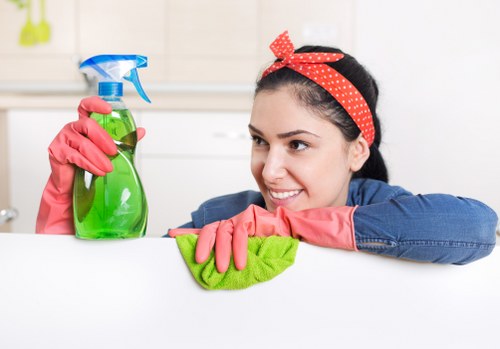 In conclusion, this policy sets a clear expectation that cleaners Treatham will carry out duties carefully, responsibly, and with respect for safety at every stage. Through training, reporting, proper equipment use, and sensible planning, we create a working environment where risks are controlled and professional standards are maintained.